For most of the past three decades, investors treated instability as a temporary disruption to an otherwise stable global order. Wars, political crises, energy shocks, and market selloffs were viewed as episodic events - painful but ultimately transient interruptions within a broader framework defined by globalization, institutional predictability, expanding trade, and declining inflation.
The most important signal emerging from recent developments in the Middle East is not simply the risk of a wider conflict between the United States and Iran. More interesting is what the conflict reveals: a world in which instability is becoming less of an exception and more of a permanent condition.
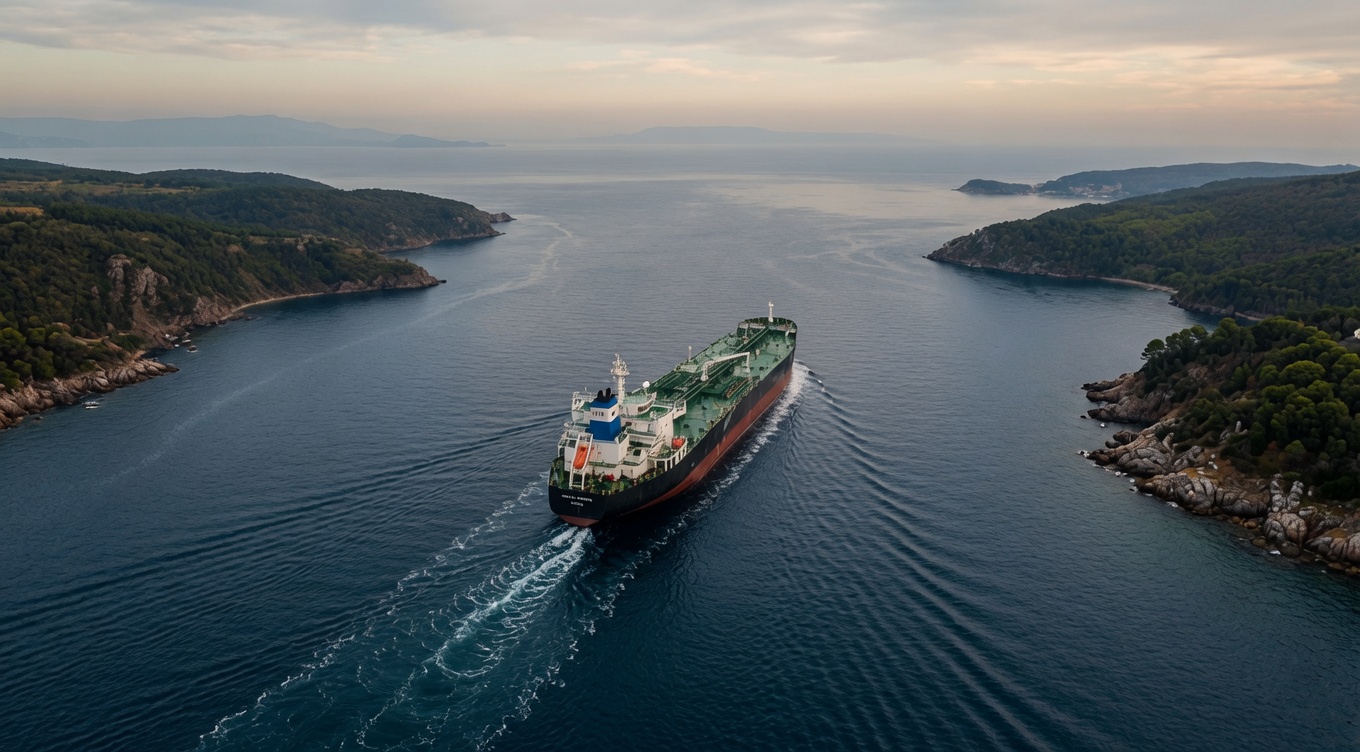
The latest escalation illustrates the point. The US and Israel launched large-scale strikes on Iran in late February 2026, triggering a broader regional conflict before a conditional ceasefire was declared in April. Negotiations continue, but intermittent exchanges persist. Oil markets remain under pressure, and the Strait of Hormuz - whose full reopening has become a formal US precondition for any lasting settlement - has made energy traders unable to determine whether current disruptions are temporary or part of a new baseline.
This matters because markets are built to price outcomes. They can price peace. They can price war. What they struggle with is a state of unresolved confrontation that drags on for years. A frozen conflict creates a different economic environment than either escalation or resolution. It introduces uncertainty into investment decisions, supply chains, energy markets, insurance costs, and corporate planning.
Iran is hardly unique. The same pattern can be seen elsewhere. Ukraine remains unresolved. Gaza remains unresolved. Tensions around Taiwan continue to build without moving closer to a settlement. Even within Iran itself, the death of Supreme Leader Khamenei during the conflict and the subsequent selection of his son as successor has introduced a new layer of internal uncertainty. Across multiple regions, geopolitical competition increasingly looks chronic rather than episodic.
A second development, arguably the more important one, concerns the role of the United States. For decades, global investors assumed that America functioned as the system’s ultimate stabilizer. Regardless of domestic political disagreements, Washington retained the ability to project power, secure trade routes, support alliances, and shape outcomes during periods of crisis.
The issue is not a lack of power. The United States remains the world’s largest economy, its dominant military force, and the issuer of the global reserve currency. The issue is effectiveness. The Trump administration entered office promising rapid progress on Ukraine, Gaza, and Iran. Progress has been limited. Possessing resources and translating them into outcomes are not always the same thing.
This matters even more because it coincides with growing domestic fragmentation. Approval ratings now sit at the lowest levels of either Trump term - multiple polls in May 2026 placing him in the 34–38% range - while tensions within the Republican Party, increasingly polarized institutions, and disputes over issues that once seemed largely symbolic all point in the same direction: a gradual weakening of political cohesion.
Taken separately, these developments may seem unrelated. Together, they paint a picture of a country that appears less cohesive internally and less decisive externally than investors have historically assumed.
American assets have long benefited from a substantial stability premium. Investors accepted lower risk premiums because the United States was viewed as unusually predictable relative to most alternatives. Political transitions were orderly. Institutions were durable. Policy direction, while imperfect, was broadly coherent.
A modest erosion of that perception could have meaningful consequences. Greater policy uncertainty raises the cost of capital. Persistent geopolitical tensions increase inflation volatility. Higher defense spending competes with other fiscal priorities. Supply-chain restructuring reduces efficiency. Energy security returns as a strategic concern.
The dominant investment framework of the globalization era rewarded efficiency. Companies optimized inventories, concentrated production, reduced redundancy, and built increasingly complex international supply chains. Resilience was often treated as an avoidable expense.
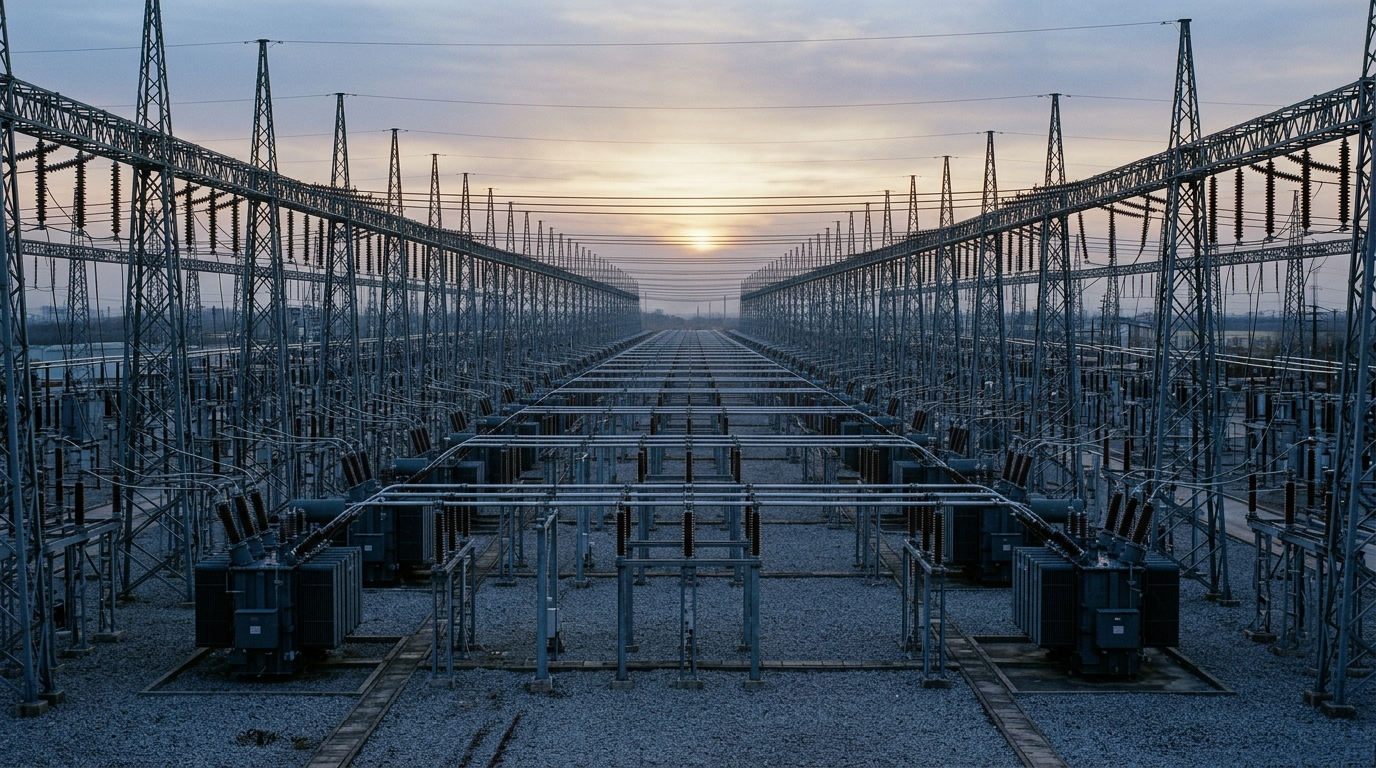
Investors may increasingly favor sectors that provide resilience rather than simply maximizing growth. Security of supply, energy independence, domestic manufacturing capacity, strategic infrastructure, and strong balance sheets all matter more in this environment. Energy, defense, logistics, infrastructure, grid modernization, cybersecurity, and critical resources all benefit from a world that places a higher value on robustness.
One of the defining investment mistakes of the coming decade could be treating instability as a cyclical phenomenon when it is increasingly becoming a structural feature of the landscape.
If the post-Cold War era was shaped by the globalization of efficiency, the next phase may be shaped by the globalization of insecurity. Capital is likely to flow toward assets capable of operating under persistent uncertainty rather than those that depend on a stable and predictable world.
For investors, the central question is not when stability returns.
It is how portfolios should be positioned if instability is here to stay.